Module Two Part II Blog Assignment
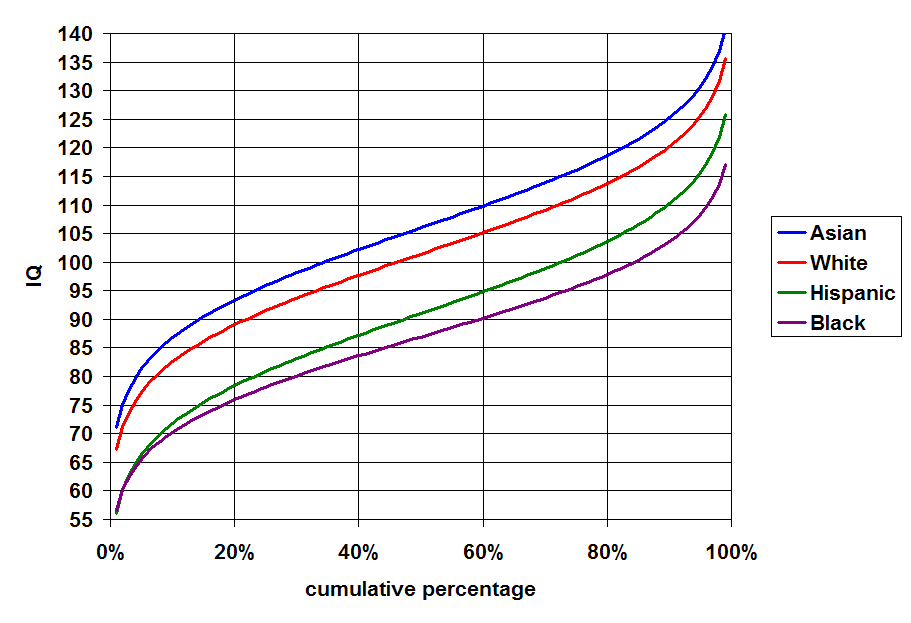
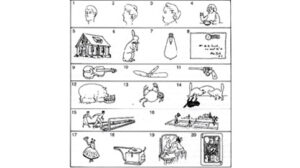
One of the quotes that stood out to me the most throughout the reading is “much of what developed under the guise of a democratic and differentiated curriculum was in fact a way to reinforce the kind of class, gender, and race prejudice that existed in society.” This quote in my opinion, summarized Part II. There was a section where the experiences of Henry and Julian Nava was explained, which also stood out to me. Henry was the oldest of the two children of Mexican immigrants and him along with Julian were enrolled in specialized occupational programs for those that were going to be industrial or domestic workers. Henry and Julian, along with many other Mexican immigrants were judged based off the few IQ tests taken, that declared that Mexicans were slow learners. Henry finished these courses and enrolled in the Navy where he became traumatized and feared for his younger brother to ever see the things he saw, which is why when he returned to the United States, he made a radical decision. Henry marched to the guidance counselor’s office and strongly urged that Julian be allowed to take college prep courses. Julian eventually aced these courses and was accepted into Harvard University, where he graduated and later became a part of the Los Angeles Board of Education. He changed the way immigrant students were viewed, and although the system was persistent on holding immigrants back from being successful, many of them were driven and passionate for being successful in the country their parents fought so hard to get them to.
Julian Nava’s story has a happy ending but for many immigrant and minority students, this is not the case. From the beginning of the formation of the education system, minority and low income students were not prioritized, therefore they lacked the resources and educational opportunities that were easily accessible to rich white individuals. The determination of intelligence based on IQ tests was taken into consideration much more generously when it came to American citizens and English speakers only, but for Mexicans who only spoke Spanish their whole lives, it was so easy for their intelligence to be generalized based on the results of a couple tests. This determination based on the IQ test was unfair to those whose native language was not English because they did not have much understanding for the English language and were just starting to learn. However, this didn’t mean they were dumb because, in the case of the Nava family, their father was a barber who according to Henry was very intelligent for being self-taught.
Unfortunately, the education system, although it has gotten better, does not educate all children equally because historically, white and rich Americans have always had the upper hand when it came to anything whether it be better jobs, schools, resources, etc. Anyone who did not share these socioeconomic similarities, always had to work much harder to be successful. Knowledge is a skill that benefits every single person on this planet because it leads to innovation and creative thinking but, the sharing of knowledge is not distributed equally to everyone, due to the public school system in America. This means that school can either benefit an individual while also failing another. Nowadays, school can benefit both those who are low income and high income because although low income students may struggle to pay for certain resources, there are now plenty of scholarships that can benefit them, especially those who have above average IQ’s. The prejudice in education has decreased significantly but, it can still present as a problem to those who are low income or minorities. Sometimes, low income students who don’t have above average IQ’s can be failed by the school system because they might have teachers and guidance counselors who would just rather give up on them instead of offering additional help, that the school might not be able to afford.

Comments
Post a Comment